
Laminectomy
What a Laminectomy Is
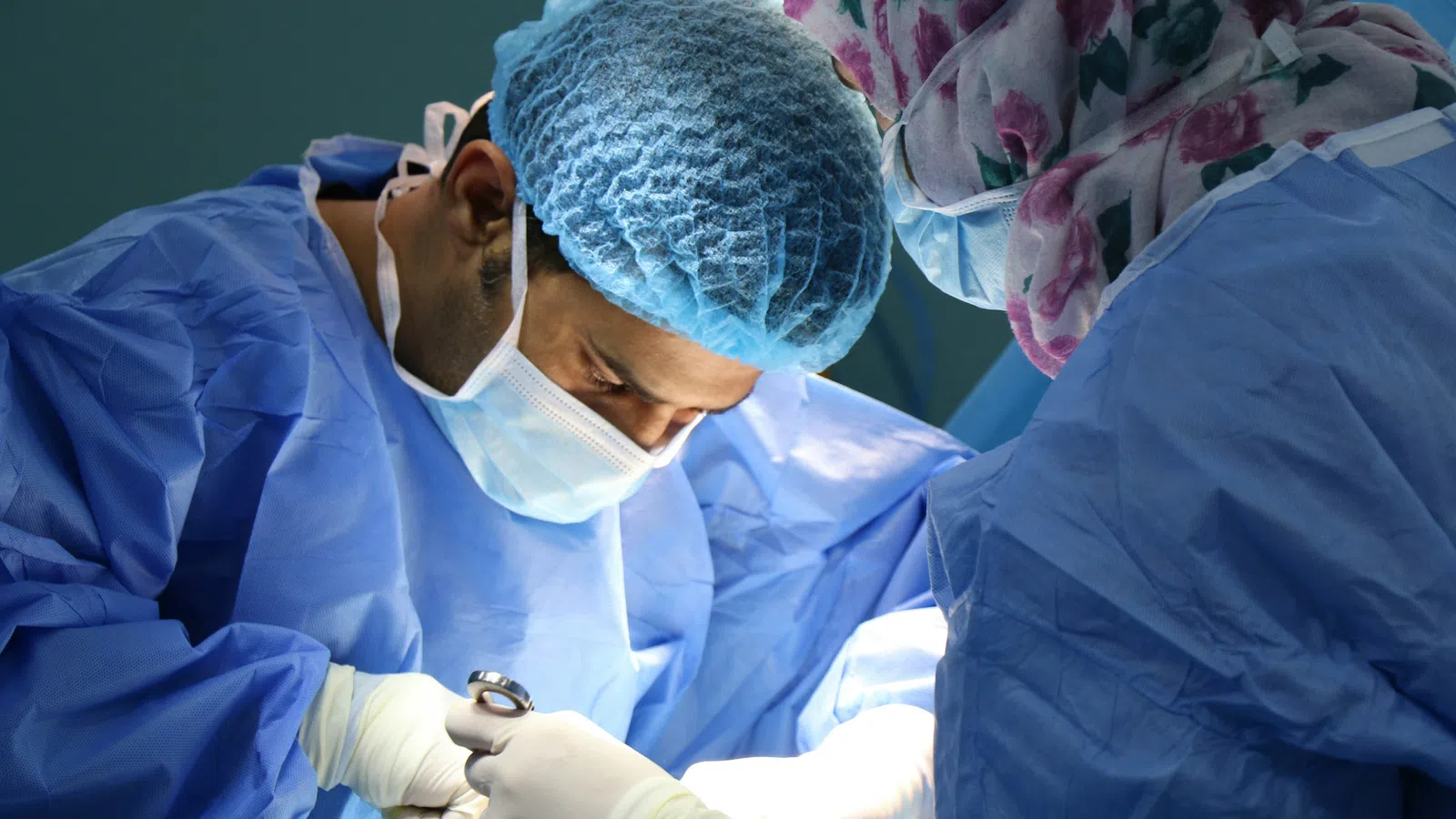
A laminectomy is a surgery that helps take pressure off the spinal cord or spinal nerves. It is also called decompression surgery. During the procedure, the surgeon removes the lamina, which is the back part of the vertebra that forms a protective cover over the spinal canal. Taking away this bone gives the spinal canal more room and helps relieve pressure right away.
How the Procedure Works
- Making the incision: The surgeon makes a cut over the affected area, usually in the lower back or neck, and gently moves the muscles aside to reach the spine.
- Removing the lamina: The surgeon removes the bony arch and may also take out bone spurs or thickened ligaments that are crowding the spinal canal.
- Relieving pressure: Once the extra bone and tissue are removed, the spinal cord and nerves have more space, which can reduce pain and swelling.
Important note: If removing bone makes the spine unstable, the surgeon may also do a spinal fusion to help hold the bones in place.
Why It Is Done
A laminectomy is often used to treat spinal stenosis, which is a narrowing of the spinal canal that presses on the nerves. It may be suggested when other treatments do not help and you have symptoms such as:
- Neurogenic claudication: Pain, numbness, or cramping in both legs that gets worse when walking or standing and feels better when leaning forward.
- Progressive weakness: Trouble lifting the foot, also called foot drop, or a heavy feeling in the legs.
- Loss of bowel or bladder control: This is rare but serious and may be a sign of an emergency.
Recovery and What to Expect
- Hospital stay: Some people go home the same day, while others stay in the hospital for 1 to 2 nights, depending on how many spinal levels were treated.
- Early walking: You will usually be encouraged to get up and walk on the first day to help healing and lower the risk of blood clots.
- Back pain vs. leg pain: This surgery often helps leg pain, numbness, and tingling very well. You may still have soreness in the back muscles for a few weeks.
- Recovery time: Many people return to light activity or desk work in 2 to 4 weeks. Full recovery can take a few months.
