
Spinal Fusion
What Spinal Fusion Is
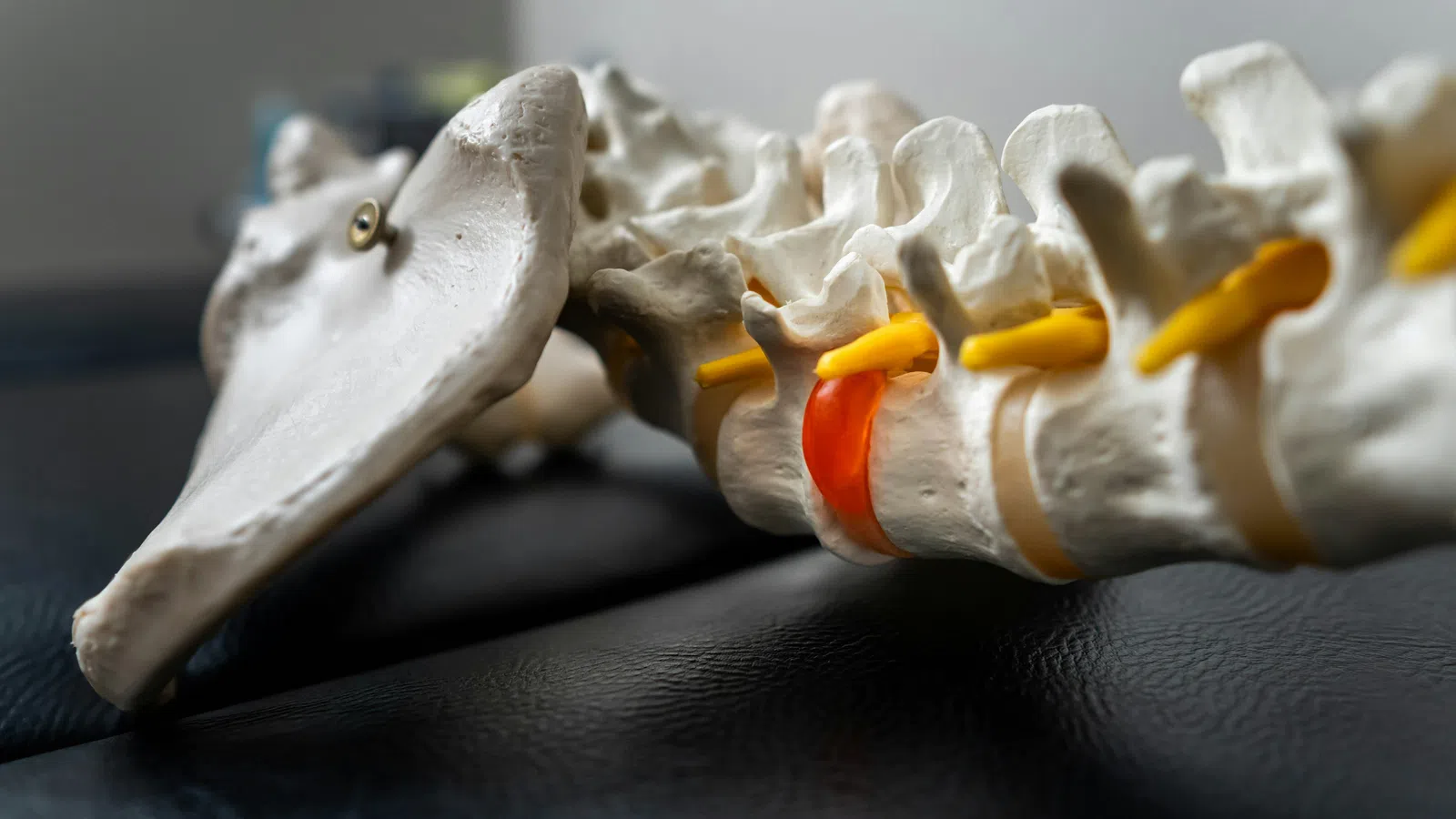
Spinal fusion is a surgery that joins two or more bones in the spine so they no longer move against each other. You can think of it like joining the bones together so they heal into one solid piece. This can help reduce pain caused by movement in a damaged part of the spine.
How the Surgery Works
Decompression: First, the surgeon may remove bone spurs, damaged disc material, or thickened tissue that is pressing on the nerves. This can help ease pain, numbness, or weakness.
Bone grafting: The surgeon places bone graft material between the vertebrae so the bones can grow together. The graft may come from your own body, a donor source, or a man-made material that helps bone growth.
Hardware placement: In many cases, screws, rods, or cages are used to hold the spine steady while healing takes place. This hardware works like an internal brace until the bones fuse.
Common Surgical Approaches
Surgeons may reach the spine in different ways depending on the problem and where it is located.
- PLIF / TLIF: These approaches come from the back and are often used in the lower spine.
- ACDF / ALIF: These approaches come from the front, through the neck or abdomen, so the surgeon can reach the disc space directly.
- XLIF / DLIF: These approaches come from the side and may help avoid cutting through large back or belly muscles.
Why It May Be Done
Spinal fusion is usually considered after other treatments, such as therapy or injections, have not helped enough. It may be used for:
- Spinal instability or spondylolisthesis: When one vertebra slips out of place.
- Severe degenerative disc disease: When the discs wear down and cause painful rubbing between bones.
- Scoliosis or kyphosis: Curves in the spine that may cause pain or balance problems.
- Fractures or tumors: When the spine needs extra support after injury or disease.
Recovery After Surgery
Most people stay in the hospital for 1 to 3 days after surgery. You may be walking within a few days, but the bones take much longer to fully fuse. The fusion process often takes 3 to 6 months, and full healing can take up to a year or more. Your recovery will depend on factor unique to you, and your surgeon can provide more details.
During recovery, you will likely need to avoid heavy lifting, bending, and twisting for a while. These limits help give the bones the best chance to heal together properly.
