
When Patients Ask About Regenerative Orthopedic Treatments
Understanding Regenerative Medicine in Orthopedics
Regenerative medicine is a term used to describe medical approaches that focus on supporting the body's natural processes involved in tissue repair and regeneration. In orthopedic care, regenerative therapies are sometimes discussed as potential options when patients are exploring non-surgical approaches to musculoskeletal problems. Public interest in regenerative medicine has increased substantially in recent years, leading many patients to ask orthopedic specialists how these treatments fit into modern musculoskeletal care.
Why Patients Ask About These Therapies
Patients often begin asking about regenerative orthopedic treatments when they are experiencing ongoing joint or tendon symptoms that have not improved with initial conservative care. Others may be researching alternatives to surgery or seeking additional information about emerging medical technologies. Because these therapies have received significant attention in media coverage and online discussions, patients frequently arrive at orthopedic consultations with questions about what regenerative medicine means and whether it may be appropriate in their situation.
Common Questions Orthopedic Specialists Hear
Patients often ask questions such as:
- What are regenerative orthopedic treatments?
- How do biologic therapies work?
- Are these treatments supported by medical research?
- Who might be considered a candidate for these approaches?
OrthoSouth's orthobiologic specialists address these questions by reviewing the patient's specific symptoms, diagnosis, and treatment history.
Importance of a Medical Evaluation
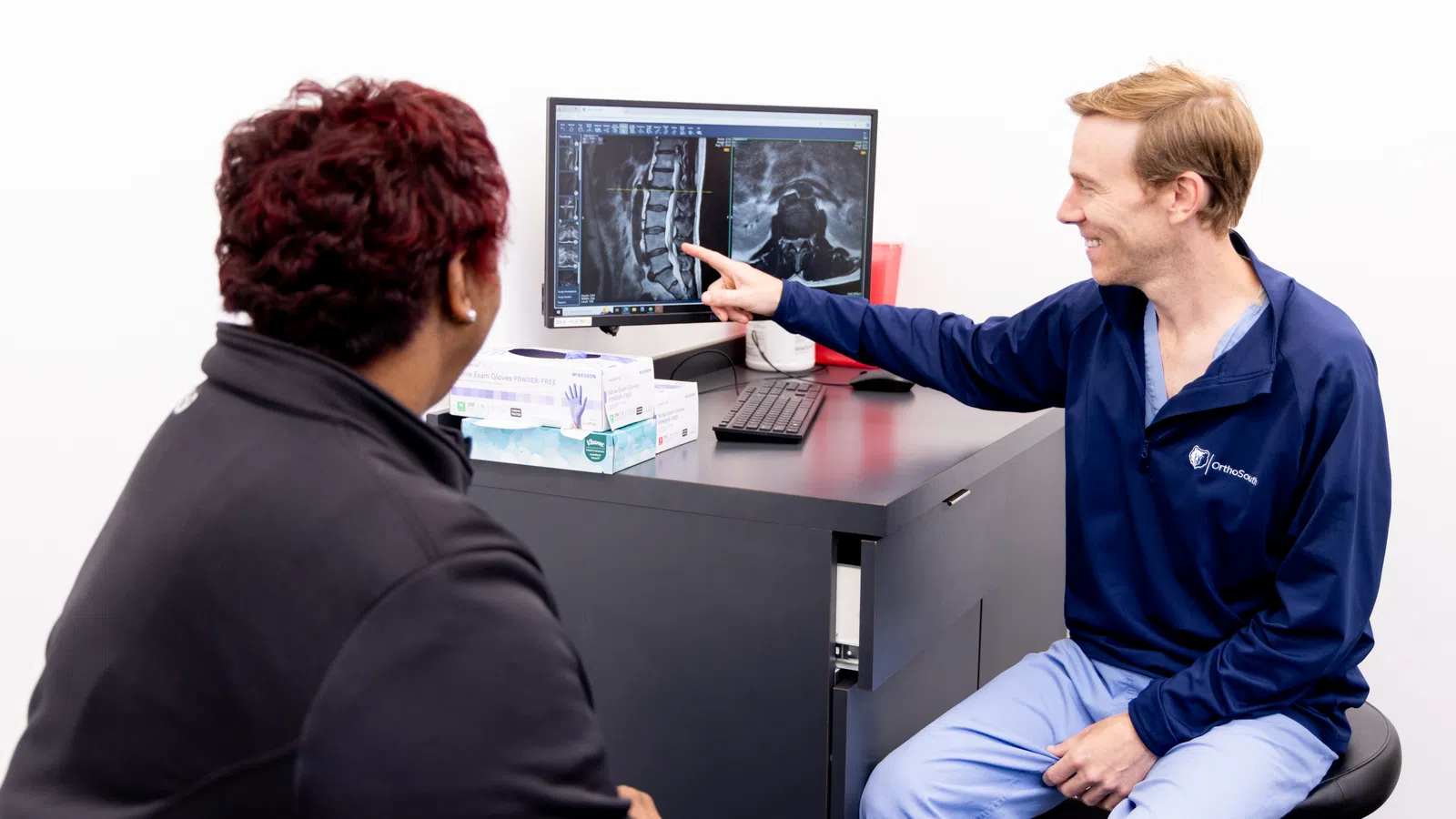
Before considering any treatment approach, OrthoSouth physicians focus on accurately diagnosing the underlying problem. Many musculoskeletal symptoms can arise from different causes, including joint degeneration, ligament injuries, tendon disorders, or biomechanical imbalances. A proper diagnosis may involve imaging studies and a physical examination that helps guide treatment planning. Once the diagnosis is established, the physician can discuss available options and help patients understand the role that various therapies may play in their care.
Research and Responsible Medical Practice
Regenerative medicine remains an active area of scientific research. While certain biologic therapies have shown promise in early studies, medical understanding of their long-term effectiveness continues to develop. For this reason, OrthoSouth specialists emphasize evidence-based decision-making and careful patient education when discussing regenerative approaches.
Working With an Orthopedic Specialist
If you are exploring non-surgical treatment options for joint or tendon problems, a consultation with an orthopedic specialist can help clarify the cause of your symptoms and the range of treatment strategies available.
