Robert P. Lonergan, MD
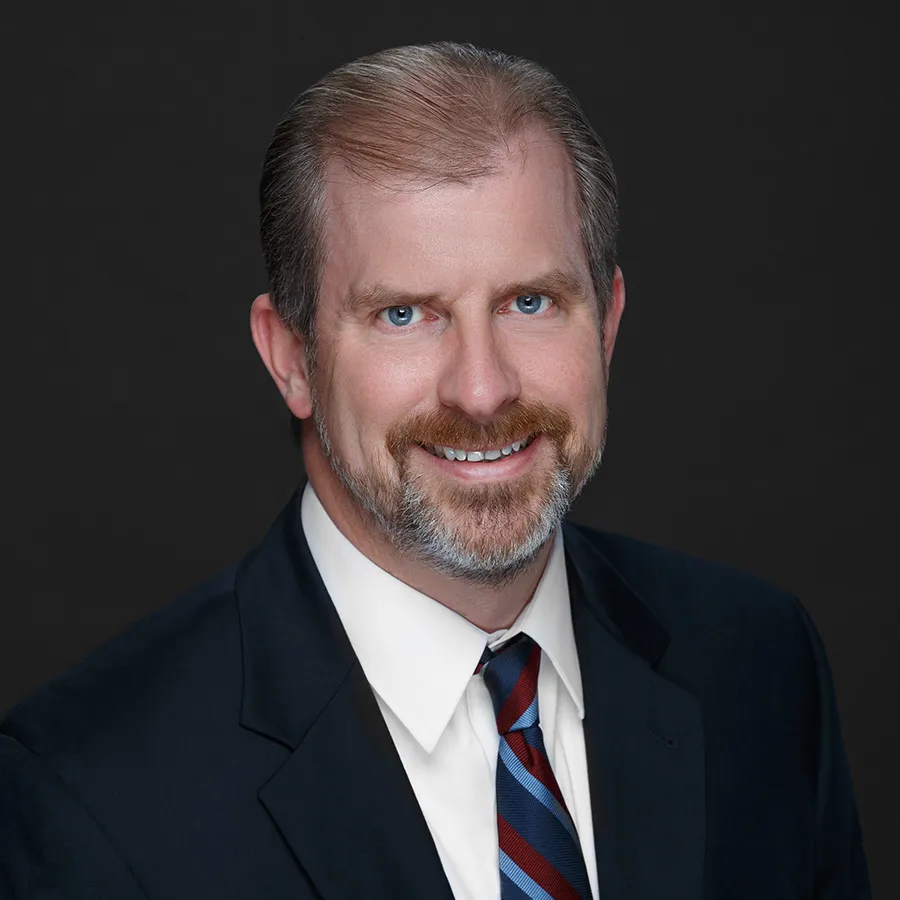
Dr. Robert Lonergan is a Castle Connolly Top Doctor and
board-certified, fellowship-trained orthopaedic surgeon at OrthoSouth with over
20 years of experience specializing in sports medicine, arthroscopic surgery,
shoulder replacement, and minimally invasive joint restoration. He is one of a
small number of surgeons in the Memphis area performing both arthroscopic joint
preservation and shoulder replacement - including reverse shoulder replacement
for patients with advanced rotator cuff damage.
Dr. Lonergan completed his sports medicine fellowship at Rose
Medical Center in Denver, Colorado, where he treated athletes ranging from
amateurs to professionals. He earned his medical degree from the University of
Virginia School of Medicine and completed his orthopaedic surgery residency at
Carolinas Medical Center in Charlotte, North Carolina. His undergraduate degree
is from Virginia Tech.
His clinical focus includes shoulder, knee, hip, and ankle
arthroscopy; rotator cuff repair; ACL reconstruction; meniscus repair; and
shoulder replacement surgery. He brings a sports medicine mindset to all of his
patients - whether competitive athletes, recreational participants, or everyday
active adults - with an emphasis on restoring function and returning patients
to the activities they care about.
Dr. Lonergan sees patients at OrthoSouth's Bartlett and Primacy locations. He is a member of the American Academy of Orthopaedic Surgeons, the Memphis Medical Society, and the Tennessee Orthopaedic Society.
EDUCATION
PROFESSIONAL MEMBERSHIPS
ACCOLADES
CONDITIONS & PROCEDURES
Shoulder
- Rotator cuff tears (partial and full thickness)
- Shoulder arthritis
- Shoulder instability and recurring dislocations
- Labral tears (SLAP tears)
- Shoulder impingement
- AC joint injuries
- Biceps tendon tears
- Total shoulder replacement
- Reverse shoulder replacement (for advanced rotator cuff damage)
- Arthroscopic shoulder surgery
Knee
- ACL tears and ligament injuries
- Meniscus tears
- Cartilage damage and chondral injuries
- Knee arthritis
- Patellofemoral syndrome (kneecap pain)
- Arthroscopic knee surgery
Hip and Ankle
- Hip impingement (femoroacetabular impingement)
- Hip labral tears
- Hip arthroscopy
- Ankle instability and ligament injuries
- Ankle arthroscopy
- Sports injuries of the hip and ankle
FREQUENTLY ASKED QUESTIONS
What is
the difference between total shoulder replacement and reverse shoulder
replacement?
In a traditional total shoulder
replacement, the ball of the upper arm bone is replaced with a metal ball and
the socket is resurfaced with a plastic cup - closely mimicking the natural
anatomy. Reverse shoulder replacement reverses these positions: a metal ball is
attached to the shoulder socket and a plastic cup is placed at the top of the
upper arm bone. Reverse shoulder replacement is designed for patients whose
rotator cuff is severely damaged or torn and can no longer support a
traditional implant. By reversing the geometry, different muscles take over the
work of the damaged rotator cuff. Dr. Lonergan will evaluate your rotator cuff
integrity, extent of arthritis, and activity goals to determine which approach
is right for you.
What is
joint restoration and how is it different from joint replacement?
Joint restoration refers to
procedures designed to repair, rebuild, or protect a damaged joint rather than
replacing it entirely. This includes arthroscopic procedures to address
cartilage damage, labral tears, impingement, or ligament injuries. Joint restoration
is typically appropriate for patients whose damage is not yet severe enough to
warrant full replacement, or for younger and more active patients who want to
preserve as much natural joint as possible. Dr. Lonergan evaluates each
patient's imaging and symptoms to determine whether a restorative or
replacement approach is the better fit for their goals and anatomy.
What is
arthroscopic surgery and what are its advantages?
Arthroscopic surgery uses a small
camera and thin instruments inserted through tiny incisions rather than a large
open incision. This minimally invasive approach typically results in less
trauma to surrounding tissue, less postoperative pain, a shorter recovery
period, and faster return to normal activity compared to open surgery. Dr.
Lonergan specializes in arthroscopic techniques for the shoulder, knee, hip,
and ankle.
Does Dr.
Lonergan treat both athletes and non-athletes?
Yes. Dr. Lonergan's sports
medicine fellowship in Denver included treating athletes from amateur to
professional levels. Today his patients include competitive athletes, weekend
warriors, and everyday active adults dealing with joint pain, injuries, or wear-related
conditions like arthritis. His sports medicine training shapes how he
approaches recovery planning and return-to-activity goals for every patient -
not just athletes.
What is a
rotator cuff tear and how is it treated?
The rotator cuff is a group of
four muscles and tendons that stabilize the shoulder joint and allow you to
lift and rotate your arm. A rotator cuff tear can be caused by a sudden injury,
repetitive overhead motion, or gradual wear over time - and can range from a
small partial tear to a complete rupture. Not all rotator cuff tears require
surgery. Many patients improve with physical therapy, activity modification,
and anti-inflammatory treatment.
Is Dr. Lonergan accepting new patients?
Yes, Dr. Lonergan is accepting new patients at all of his practice locations.
Does
OrthoSouth accept my insurance?
OrthoSouth accepts most major
insurance plans. Call 901.641.3000 or visit the Insurance and Billing page on
orthosouth.org to verify your specific coverage before scheduling.
CERTIFICATIONS