
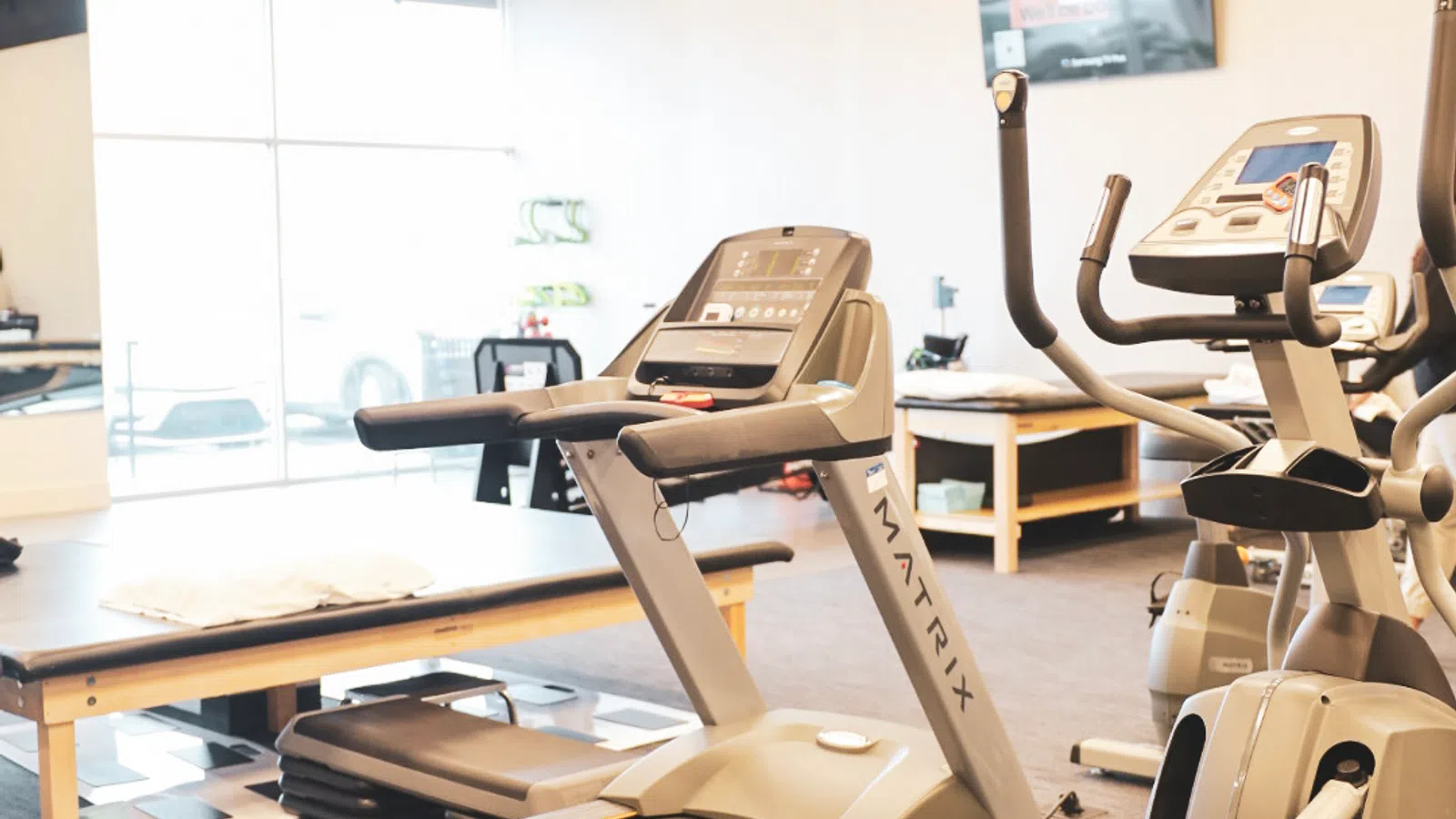
Physical Therapy at OrthoSouth
Your recovery starts here - with the same team that knows your case.
When your OrthoSouth provider recommends physical therapy, it's not a handoff. It's the next step in the plan. Our physical therapists work directly with your OrthoSouth physician — they already know your diagnosis, your imaging, and your goals. Whether you're recovering from surgery, working through a sports injury, or dealing with back or joint pain that's slowing you down, PT at OrthoSouth is built around your specific situation.
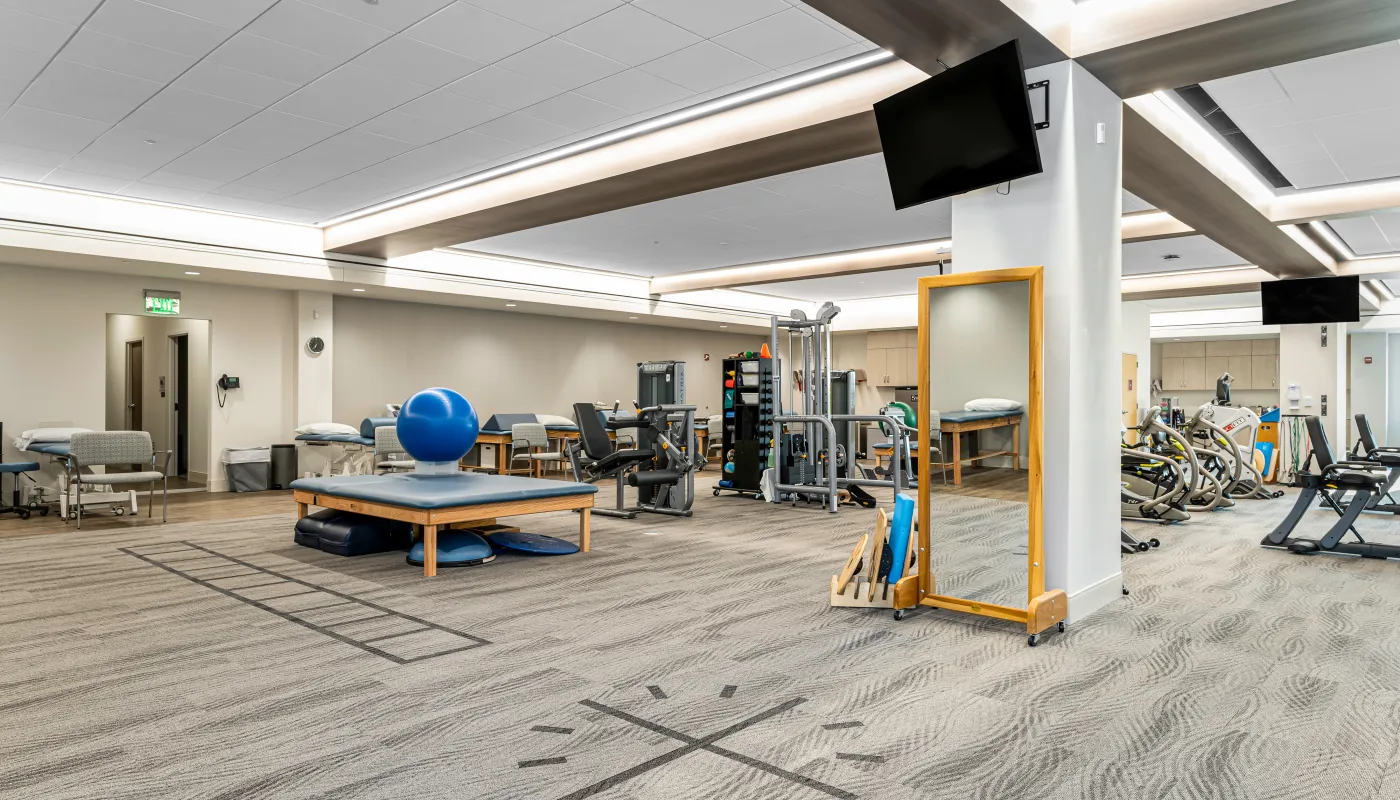
Recovery Should Feel Connected
What makes OrthoSouth PT Different
Most physical therapy works like this: your doctor sends a referral, the PT clinic receives a fax, and your therapist starts from scratch.
OrthoSouth PT works differently. Your therapist has seamless access to your provider's notes, your treatment goals, and your surgical plan if that's part of your story. When questions come up, your PT and your physician can communicate directly. You don't have to be the messenger between two separate systems.
This is what coordinated orthopedic care looks like at OrthoSouth. It makes a difference in how you recover, how well you follow through, and how clearly you understand what's happening at every step.
OrthoSouth emphasizes advanced training for our physical and occupational therapists. Many of our therapists have either completed or are working toward completion of their Board Certified Orthopedic Clinical Specialist (OCS) which requires a minimum of 2000 clinical hours, advanced clinical knowledge, experience, and skills testing in orthopedics. Other OrthoSouth® therapists have achieved or are pursuing advance certifications or training in a variety of orthopedic rehabilitation sub-specialties or techniques.





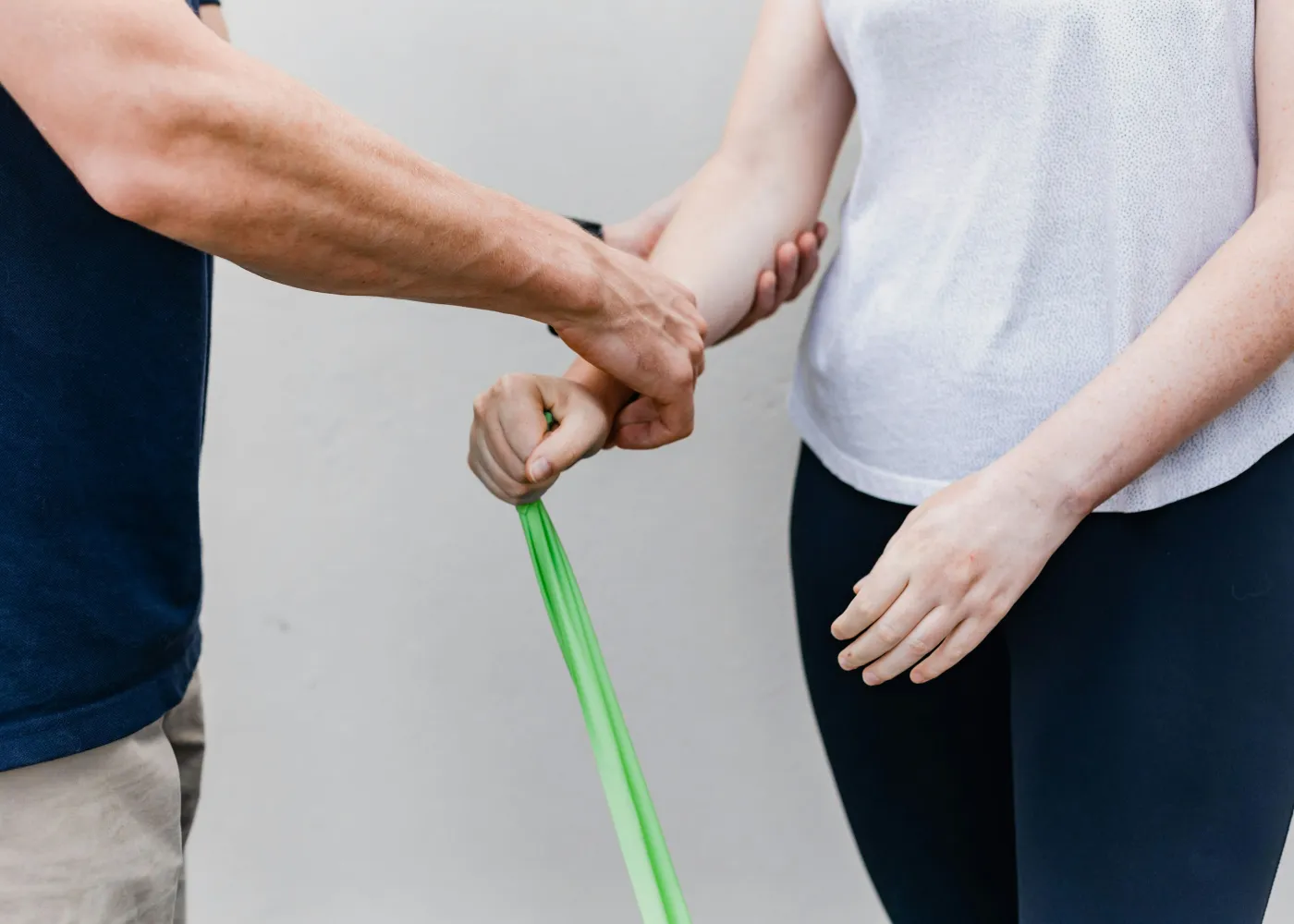
Therapy Services for All Diagnoses
Primary Modalities: Spine Therapy (McKenzie Method), Dry Needling, Manual Therapy
For patients managing herniated discs, sciatica, chronic back pain, spinal stenosis, or recovering from spine surgery. Our therapists use structured, evidence-based approaches to identify the source of your pain and reduce it — often faster than patients expect.
Primary modalities: Condition-specific rehab protocols, Aquatic Therapy, Alter G Treadmill
Whether you've had a joint replacement, rotator cuff repair, spinal fusion, or ACL reconstruction, your post-surgical PT plan is built around your surgeon's protocol and your personal recovery goals. For patients where joint stress is a concern during early recovery, aquatic therapy and antigravity treadmill work can bridge the gap between surgery and full weight-bearing activity.
Primary modalities: Sports Medicine PT, Isokinetic Testing, Slow-Motion Video Analysis, Alter G Treadmill, Dry Needling
For athletes at every level — from youth sports to weekend warriors to competitive adults — our sports-focused therapists specialize in getting you back to your sport safely and at full capacity. We use isokinetic strength testing and video gait analysis to identify weaknesses and mechanics issues, not just treat symptoms.
Primary modality: Certified Hand Therapy (CHT)
Hand and upper extremity rehab is its own specialty. Our Certified Hand Therapists have thousands of hours of advanced training in conditions affecting the hand, wrist, elbow, and shoulder girdle — from carpal tunnel and trigger finger to complex post-surgical reconstruction. Available at Bartlett, Briarcrest, Germantown, Primacy Pkwy, Primacy, and Southaven.
Primary modalities: Manual Therapy, Dry Needling, Therapeutic Exercise, Aquatic Therapy
Not every patient needs surgery, and not every patient is ready for it. For patients managing arthritis, bursitis, tendinitis, or chronic joint pain, PT can reduce pain, improve function, and in some cases help you avoid a more invasive procedure altogether. Aquatic therapy at Briarcrest is particularly effective for patients where joint loading is a limiting factor.
Primary modality: Occupational Rehabilitation
For patients recovering from a work-related injury, our occupational rehab program at Poplar Avenue offers individualized return-to-work conditioning, functional capacity evaluations, and consistent communication with your employer and case manager. The goal is full-strength return, not just clearance.
Our Therapists Have Advanced Training in Multiple Areas
To Get You Back To What Matters
-
Board Certified Orthopedic Specialist (OCS)
-
Certified Hand Therapist (CHT)
-
McKenzie Method Diploma (Dip MDT)
-
McKenzie Method Credentialed (Cert MDT)
-
Mulligan Concept Certification (CMP)
-
Occupational Therapy Work Conditioning
-
Aquatic Certification (ATRIC)
-
Certified Strength and Conditioning Specialist (CSCS)
-
Sports Specific Rehabilitation (SSRC)
-
Dry Needling
-
Guest Lecturing (UTHSC)
What Can Physical Therapy Help With?
Physical therapy at OrthoSouth addresses a wide range of orthopedic conditions — before surgery, after surgery, and everything in between. If pain or limited movement is slowing you down, there's a good chance PT is part of the answer.
Back & Neck
Shoulder
Hand, Wrist & Elbow
Hip
Knee
Foot & Ankle
Sports Injuries
General & Post-Surgical Recovery
Meet the Talented OrthoSouth Physical Rehabilitation Staff
10 Convenient Locations to Get You Back to What Matters
Arlington Physical Rehabilitation Clinic Staff

Katherine Draper, PT, DPT
Physical Therapist

Elizabeth Lesley, PT, DPT, OCS, COMT
Clinic Director

Leanna Salem, PT
Physical Therapist
Physical Therapy Assistants at This Location
Harmony Sprinkle, PTA
Vanessa Williams, PTA
Atoka Physical Rehabilitation Clinic Staff

Rachael Dunlap, PT, DPT, FMT
Clinic Director

Melanie Wright, PT
Physical Therapist
Physical Therapy Assistants at This Location
Tiana Posner, PTA
Andrew Miller, PTA
Leah Lambka, PTA
Bartlett Physical Rehabilitation Clinic Staff

Tatum Cabot, OTR/L
Hand Therapist

Kelsey Dowling, PT, DPT
Physical Therapist

Isaac Balmer, DPT
Physical Therapist

Alex Goodman, OT
Occupational Therapist

Margo Haley, OTR/L
Occupational Therapist

Chris Hoffmann, PT, DPT, Cert MDT, ATC/L, FMT
Multi-Site Director of Physical Therapy

Joshua Holden, PT
Physical Therapist

Stuart Martin, PT
Physical Therapist

Maurice Mottley, PT
Physical Therapist

Ashton Smith, PT, DPT
Physical Therapist

Hillary Talley, OT
Occupational Therapist
Physical Therapy Assistants at This Location
Jeremy Hindman, PTA
Emily Kelly, PTA
Emily Promisel, PTA
Adam Rea, PTA
David Reap, PTA-PRN
Kyle Stewart, PTA
Germantown Physical Rehabilitation Clinic Staff

Julianne Bell, PT
Physical Therapist

Victoria Bradley, OTR/L
Hand Therapist

Will Bradley, PT
Clinic Director

Amie Browning, PT
Physical Therapist

Alton Burgess, PT
Physical Therapist

Jamie Carnathan, PT
Physical Therapist

Andrew Conner, PT, DPT
Clinic Manager

Grace Crockett, OT
Occupational Therapist

Julie Dixon, OT/L, CHT
Director of Hand Therapy

Taylor Gilbert, PT, DPT
Physical Therapist

Teri Grim, PT
Physical Therapist

Jack Martin, PT
Physical Therapist

Julie Scarpace, PT
Physical Therapist
Physical Therapy Assistants at This Location
Kayla Ortega, PTA
Tasrah Stubbs, PTA
Hernando Physical Rehabilitation Clinic Staff

Heath Griffith, PT, DPT
Physical Therapist

Alex Isom, PT, DPT
Clinic Director
Physical Therapy Assistants at This Location
Adam Marshall, PTA
Lindsey Moore, PTA
Memphis- Briarcrest Physical Rehabilitation Clinical Staff

Joshua Azbill, PT, DPT
Physical Therapist

Paul Burton, PT, DPT
Physical Therapist

Nick Chantara, PT, DPT, OCS, Cert MDT
Clinic Manager

Steven Chipman, PT, DPT, SSRC, Cert MDT
Clinic Manager

Emily Colon, PT, DPT
Physical Therapist

Nick Cutter, PT, DPT, Cert MDT
Physical Therapist

Thomas Hezel, PT, DPT
Physical Therapist

Hannah James, PT, DPT
Physical Therapist

Matthew Kallaher, PT, DPT
Physical Therapist

Abbey McCrory, PT, DPT
Physical Therapist

Tori Norton, BA, PTA, ATRIC, CES, PES, MFR1
Director of Aquatics

Austin Orr, PT, DPT
Physical Therapist

Kaylee Stahler, OTR/L
Hand Therapist

Kori Taylor, CHT, OTR/L
Clinic Manager, Hand Therapy

Mark Temme, PT, OCS, Dip MDT, CMP
Director of Rehabilitation

Liz Vaughn, PT, DPT
Physical Therapist

Sadie Young, OTD, OTR/L
Hand Therapist
Physical Therapy Assistants at This Location
Frannie Archer, PTA
Keri Gerosa, PTA
Memphis-Poplar Physical Rehabilitation Clinic Staff

Elizabeth Addison, PT, FMT
Clinic Director

Kenneth Pate Bishop, PT, DPT
Physical Therapist

Kaylee Miller, PT, DPT
Physical Therapist
Physical Therapy Assistants at This Location
Katie Clark (Pounds), PTA
Memphis-Primacy Physical Rehabilitation Clinic Staff

Michelle Bierdz, PT
Clinic Director

Evelyn Daniel, OTR/L, CHT
Certified Hand Therapist
Margo Haley, OTR/L
Occupational Therapist

Andrew Hamrick, OTR/L, CHT
Certified Hand Therapist
Alex Peterson, PT
Physical Therapist

Annie Quarles, PT, DPT
Physical Therapist
Physical Therapy Assistants at This Location
Cayla Watson, PTA
Southaven Physical Rehabilitation Clinic Staff

Tiana Bridges, OT
Occupational Therapist

Casey McGhee, MPT, OCS, Cert MDT, CMP
Clinical Manager
Kori Taylor, CHT, OTR/L
Clinic Manager, Hand Therapy
Sadie Young, OTD, OTR/L
Hand Therapist
Physical Therapy Assistants at This Location
Claye Childers, PTA
Nick Harris, PTA
Gracie Penna, PTA
Presleigh Taylor, PTA
Collierville Rehabilitation Staff
Julianne Bell, PT
Physical Therapist
Will Bradley, PT
Clinic Director
Physical Therapy Assistants at This Location
Lindsey Moore, PTA
FAQ's
Frequently Asked Questions
What’s the difference between Physical Therapy and Occupational Therapy?
Who will I be working with?
You'll be in great hands with our licensed physical and occupational therapists—many of whom have advanced certifications in orthopedic rehab, sports therapy, and hand therapy. We work closely with your physician to tailor a treatment plan that's right for your condition, your goals, and your life. Physical and occupational therapists are often assisted by PTA's (physical therapy assistants) whose job it is to assist with implentation of the care plan as directed by your PT. Depending on frequency and length of treatment, you may work closely with both your licensed PT/OT and PTA.
What happens at my first therapy appointment?
Your first visit will include a full evaluation. We'll talk through your symptoms, review your history, check how you move, and learn about your goals. From there, we'll create a customized therapy plan just for you. Expect that first appointment to take a little longer—about an hour to 90 minutes.
How often will I need to come?
A standard expectation is 2 to 3 times a week for 4 to 6 weeks. However, your schedule will depend on what we're treating, how you're progressing, and what your referring provider recommends.
Will therapy hurt?
You might feel some soreness after your visit—like you worked out muscles you haven't used in a while. But pain that doesn't feel right isn't part of the plan. Your PT will discuss the types of sensations you should expect during treatment. If at any time you experience an unexpected level of pain or discomfort, we'll adjust your treatment so you can make progress comfortably and safely.
What conditions do you treat in PT and OT?
From post-surgery rehab and sports injuries to balance issues, arthritis, and neurological conditions—we've got you covered. We also offer aquatic therapy at select locations and certified hand therapy for patients recovering from hand, wrist, or elbow injuries.
Can I do both PT and OT at the same time?
Yes! Some patients benefit from a combination of both, especially after surgery or injuries involving the upper body. We'll work with you—and your insurance—to design a plan that makes sense clinically and financially.
Do I need a referral to start therapy?
All of our physical therapy locations allow for outside physician referrals, schedules permitting.
What is my role in the recovery process?
Therapy works best when it's a partnership. Showing up consistently and doing your home exercises between visits can make a big difference. We'll guide you every step of the way, but your effort matters, too.
Can therapy help prevent future injuries?
Therapy can improve your strength, balance, and movement patterns to reduce your risk of falls and re-injury.
How do I get started with OrthoSouth Physical Therapy?
You can request an appointment by contacting a nearby PT location, or ask your OrthoSouth provider whether physical therapy is recommended as part of your care plan.
How Physical Therapy Fits Into Your Care
Physical therapy may play an important role in recovery for many types of orthopedic conditions and injuries. Depending on your needs, PT may be recommended:
- after surgery
- after a fracture, sprain, or other injury
- for sports injury rehabilitation
- for joint, muscle, tendon, or ligament pain
- for back and neck issues
- as part of a non-surgical treatment plan
- to improve strength, balance, mobility, and function
For some patients, physical therapy is part of a larger treatment and recovery plan developed with an OrthoSouth provider. For others, it is an important next step in improving movement, reducing pain, and avoiding bigger problems down the road.
Physical Therapy for Injury, Surgery, and Everyday Life
Patients come to OrthoSouth Physical Therapy for many different reasons. Some are recovering from surgery. Some are trying to stay active despite pain. Some want help after an injury so they can avoid lingering problems. Others simply want to move better and get back to the routines that matter to them.
No matter where you are starting, our goal is to help you make meaningful progress with care that feels supportive, coordinated, and focused on results.
Get Back to What Matters
Pain, injury, and limited movement can affect almost every part of life. Physical therapy is about more than exercises in a clinic. It is about helping you return to the things your condition has interrupted.
That may mean:
- getting back to work
- returning to sports or the gym
- keeping up with your kids or grandkids
- walking more comfortably
- recovering after surgery
- moving through everyday life with less pain and more confidence
At OrthoSouth, we believe recovery should feel purposeful, not generic.
A Patient Experience That Feels Personal and Easy
OrthoSouth is known for making orthopedic care easier to access and easier to navigate. Our PT experience should reflect that same standard with clear next steps, personalized support, and a focus on helping each patient move forward with confidence.
Real-Life Recovery Goals
The goal is not just to complete therapy sessions. The goal is to help patients return to work, sports, exercise, family life, travel, and everyday routines with greater strength, movement, and confidence.
